If your child is bright but struggling with reading, you're not imagining it — and you're not alone. The Orton-Gillingham approach is a well-established, multisensory way of teaching reading, spelling, and handwriting that works especially well for children with dyslexia and other reading difficulties. It meets kids where they are and builds their skills step by step, so they actually understand how written language works instead of just guessing.
Orton-Gillingham (OG) is a structured, multisensory method for teaching reading and language arts. It was developed in the 1930s by Dr. Samuel Orton, a neuropsychiatrist, and Anna Gillingham, an educator and psychologist. Their key insight was simple but important: some children process written language differently and need instruction that engages more than one sense at a time.
Most classroom reading instruction leans heavily on memorization — look at the word, remember the word. For many kids, that just doesn't stick. The OG approach takes a different path. It teaches children the actual structure of the English language — the rules and patterns behind how letters represent sounds — so they can figure out unfamiliar words on their own rather than relying on memory or context clues.
What makes OG distinctive is how hands-on it is. Every lesson uses sight, sound, and touch together. A child might see a letter on a card, say its sound out loud, and trace it in sand — all at the same time. This kind of layered practice helps the brain form stronger connections, which means the learning tends to last.
At Speech Therapy Plus, we deliver Orton-Gillingham instruction one-on-one. Our trained practitioners pay close attention to how each child is progressing and adjust the pace accordingly. We don't rush ahead to the next concept until the current one is solid. That patience — building one skill firmly on top of the last — is what gives children a real, lasting foundation in reading.
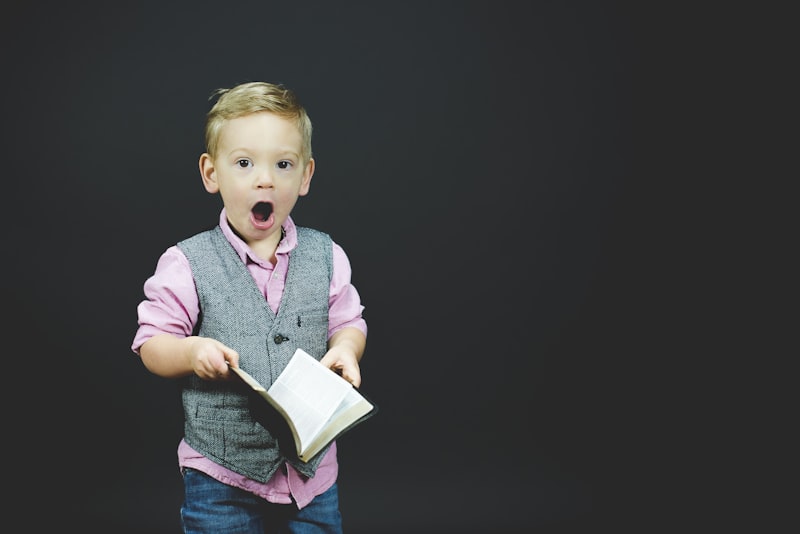
Our program addresses the specific skills children need to read and write with confidence — not just accuracy, but real understanding.
Children learn to break words into their individual sounds, apply phonetic rules, and blend those sounds together to read accurately. Instead of guessing at unfamiliar words or relying on pictures for clues, they develop a reliable strategy that works with any word they come across.
Spelling is the flip side of reading. Children learn to listen to a word, identify each sound in it, and choose the right letters to represent those sounds. We teach the rules behind English spelling explicitly — so your child understands the "why," not just the "what."
This is where it all starts. Children learn the connections between letters and the sounds they make — consonants, short and long vowels, vowel teams, digraphs, and more. We introduce these one at a time, in a careful sequence, so nothing feels overwhelming.
English has six syllable types — closed, open, vowel-consonant-e, vowel team, r-controlled, and consonant-le. Once children learn these patterns and how to break longer words apart, those big, intimidating words become much more manageable.
As decoding becomes more natural, children begin reading sentences and passages with better accuracy, pace, and expression. When word recognition stops requiring so much effort, the child's mind is freed up for what reading is really about — understanding and enjoying what they read.
Letter formation is woven into every lesson. Children practice writing letters using multisensory techniques, which strengthens the visual-motor connections that support both reading and writing. When handwriting feels easier, the whole experience of putting words on paper becomes less frustrating.
Before we teach anything, we listen and observe. We assess your child's reading, spelling, phonological awareness, and writing to understand exactly where they are right now — what they've mastered and where the gaps are. That picture guides everything that comes next.
Every session is one-on-one, which means the lesson moves at your child's pace — not the classroom's. Each session has a clear structure: we review what's been learned, introduce something new using multisensory techniques, and then practice reading and writing real text. It's focused, but never rushed.
We don't just teach and hope for the best. We track your child's progress closely and shift our focus as skills develop. You'll get regular updates, and we're happy to coordinate with your child's school so that what we're doing here supports what's happening in the classroom.
Language skills and reading go hand in hand — speech therapy can reinforce what your child is learning.
Help with handwriting, fine motor skills, and the visual-motor coordination that supports classroom work.
Support for adults working through language-based communication challenges.
If reading has become a struggle in your household, we'd like to help. A reading assessment is the first step — it tells us where your child stands and whether the Orton-Gillingham approach is the right fit. No pressure, just a clear picture and an honest conversation about what comes next.